Tuwaiq Sculpture Symposium 2026: The Capital as Open-Air Art Museum
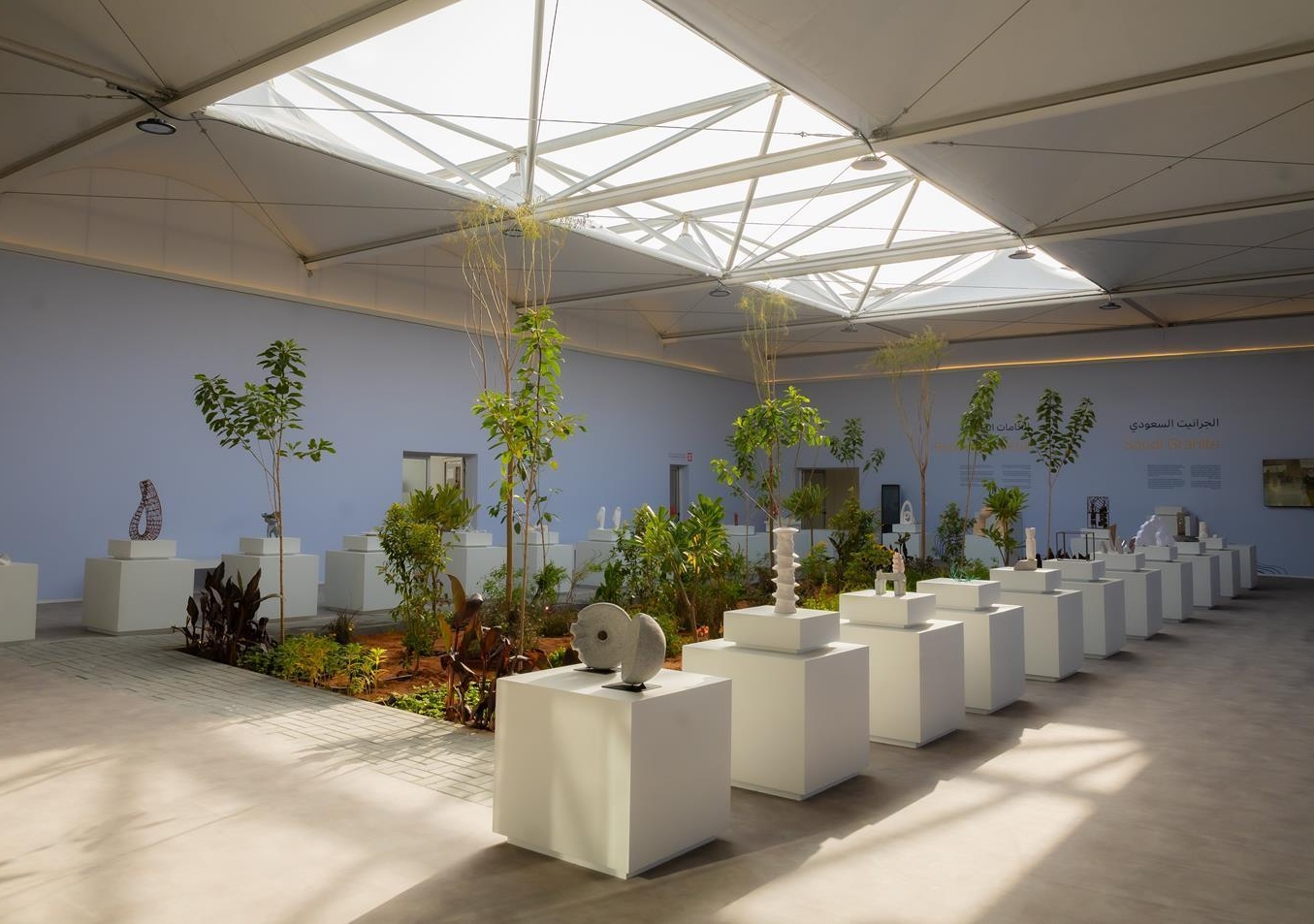
Art in Riyadh is no longer a decorative addition to public spaces, but has become a core element in shaping the urban landscape, improving quality of life, and strengthening the daily relationship between people and place.
In this context, the Tuwaiq Sculpture Symposium 2026 continues to consolidate its position as a cultural experience that transforms art from a temporary event into a lasting impact, redefining the role of creativity in the contemporary city.
The symposium is being held on Prince Mohammed bin Abdulaziz Street, which is known as “Tahlia Street,” one of Riyadh’s streets with notable urban and social significance.
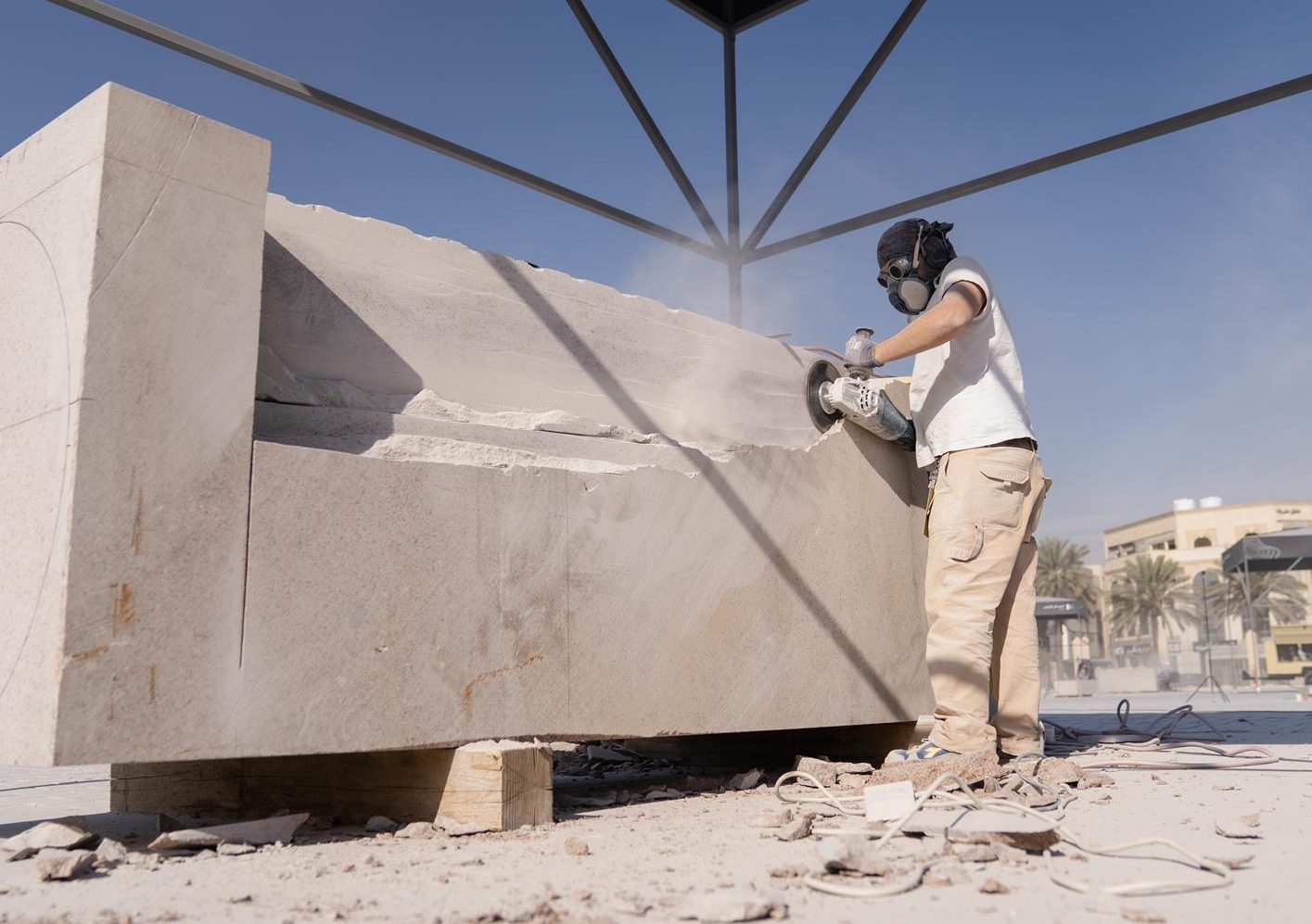
It features 25 male and female artists from 18 countries presenting sculptural works created in front of the public as part of an open, live sculpting experience. This allows visitors to follow the artwork’s formation stages firsthand, in an open setting that blends creativity with daily life and transforms the street into an interactive space for art and dialogue.
The live sculpting experience at Tuwaiq extends beyond visual display to forging a new relationship between art and the city, as artworks become part of the place’s daily movement and interact with their urban and social surroundings. The approach strengthens the presence of art in public space, breaks traditional barriers between artist and audience, raises aesthetic awareness, and integrates art into the core of the urban experience.
This year’s edition is held under the theme “Traces of What Will Be,” presenting transformation as both an artistic and urban concept inspired by the site’s history while anticipating its future.
The selection of Tahlia Street as the venue carries symbolic significance as a witness to successive social and cultural transformations, giving the artworks spatial and conceptual depth that enhances their presence and impact.